

All my life, I’ve been an Alaskan. It’s not a matter of geographical location; I’ve been thousands of miles away for decades now. It’s a philosophy, an identity, a mindset, an intrinsic quality. It’s a little bit of wildness.
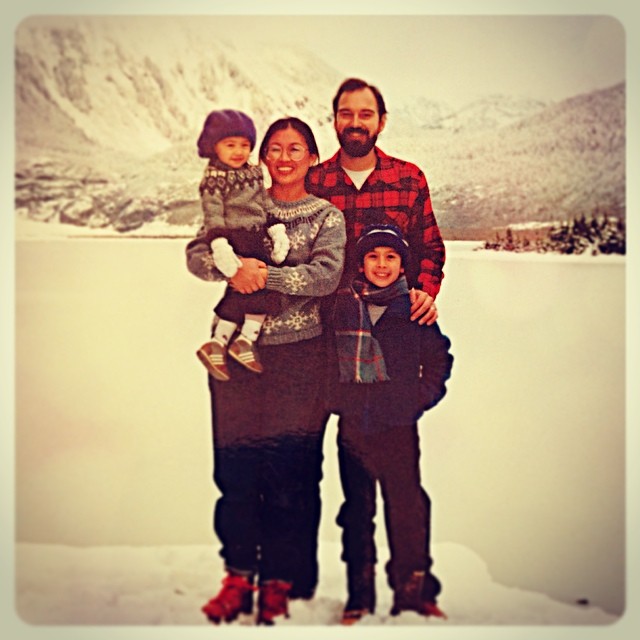
My family first arrived in the state in 1982. I was three years old. Alaska is an independent state, populated by nonconformists and dreamers. My dad was the latter, a Southern California kid with visions of being Thoreau, and the romance of the northern frontier — the stories of Jack London, the ballad poetry of Robert Service — captivated him. He joined the Coast Guard shortly after I was born, but weary of life stationed in the greater Washington, D.C. area, his request for transfer someplace more remote brought our small family — he, my mom and I — to Alaska’s Southeastern panhandle.
I’ve never thought to ask my parents if they realized at the time that this wasn’t just another waystation in life, or what it was about it that made Alaska home. Sometimes, I suspect, you just don’t know…and then one day you realize you always knew.
*
My family history is scattered with the lore of wildness: my obachan, following an American soldier from Japan in the postwar period to start a new life and family abroad; my paternal grandmother, the daughter of poor English immigrants, leaving the Montana prairie to become one of the first women to attend Stanford on full scholarship before carving out a career in a field then dominated by men.
These women that shaped my family were dreamers. They were wild ones.
My parents had their wild streaks, too. A favorite story from my childhood involved my dad, my uncle, my mother and her sister — two shaggy-haired hippies and two tiny Japanese girls with sleek, long Cher-inspired locks — in my dad’s shiny Ford muscle car, chased down the highway in Humboldt County by an escort of highway patrolmen who thought these kids were up to no good.
My aunt and uncle, college sweethearts, would be married soon thereafter. My parents would follow suit a bit later.
They weren’t up to trouble. They were just living and loving life.
The story held a dusty romance to me, even as a child: my parents as love-happy kids barreling down the highway in pursuit of imagined futures and dreams just beyond the windshield, the world in the rearview motioning them to stop.
They weren’t going to, though, because of that little bit of wild that seeps deep into the family roots.
*
With its old-growth temperate rainforest, tidewater glaciers and maze of barrier islands dotted with rustic fishing towns, the geography of Southeast Alaska’s Inside Passage is as majestic as the humpback whales and orcas that breach its waters and the bald eagles that wheel and call from its skies.
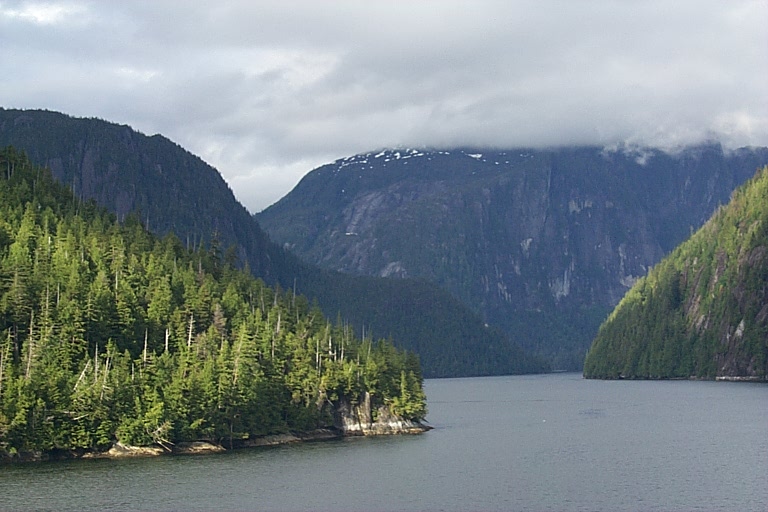
Perched between the grey-green Pacific and the fog-shrouded mountains of the Tongass National Forest, Alaska’s capitol city of Juneau is nested in glacial valleys and atop Goldrush-era mine tailings. Like most of Southeast Alaska, it is accessible only by boat or plane. Juneau was a small, artsy town with a strong tourism-based economy in the eighties, with quaint waterfront shops and the constant hum of small float planes buzzing in and out of its harbors.
This is where my family settled.
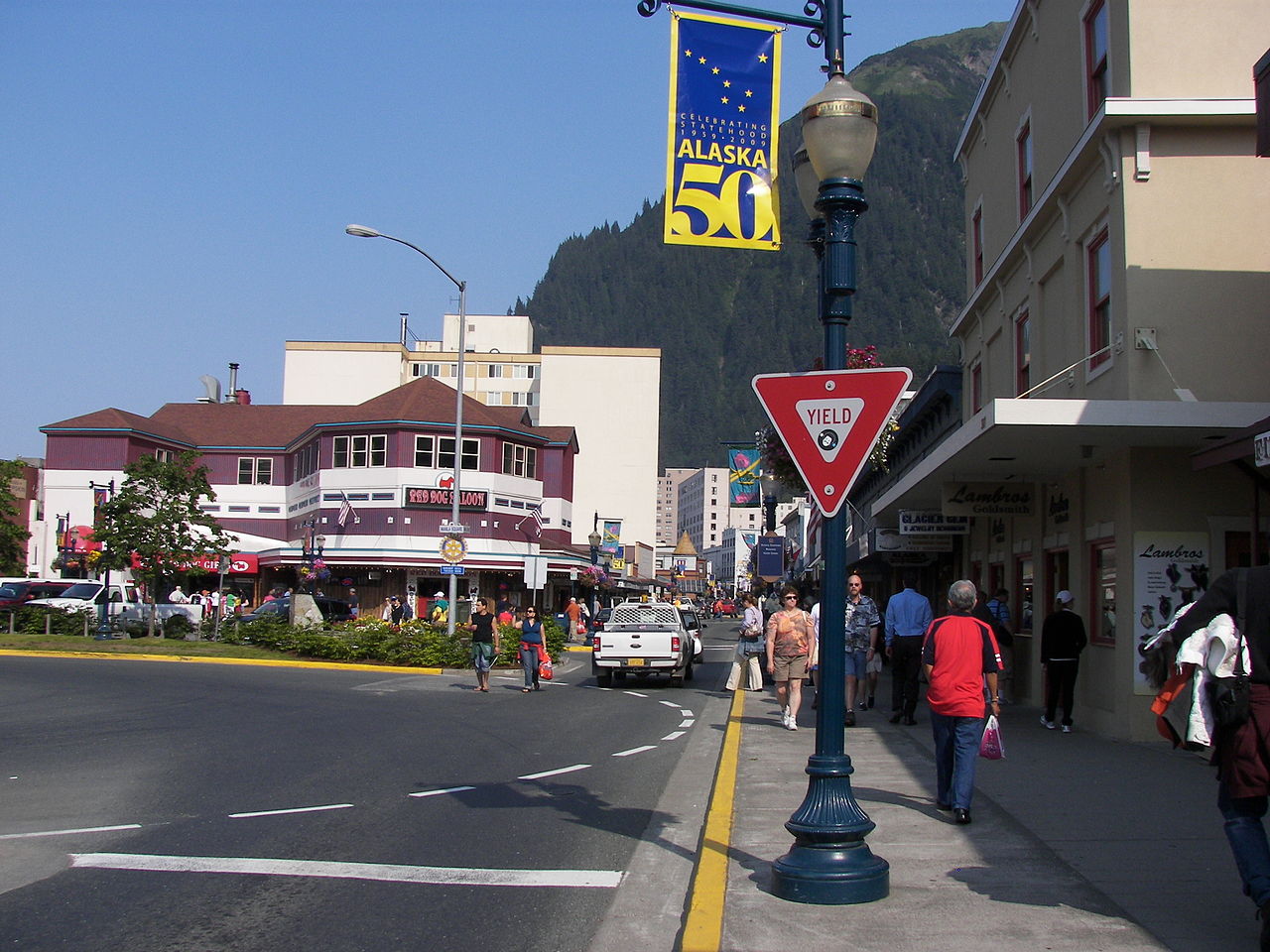
My parents fell in love with the state, and Alaska became home. Whereas my youngest years were itinerant, my family moving from one coast to the other, never spending more than a year or two in one place, my parents found roots in Alaska. Our family grew and thrived.
I spent my entire childhood in one neighborhood. I grew up with the same four neighbor boys from diapers and Big Wheels, through Transformers and treeforts, to sports and first crushes. The woods connecting our backyards were our kingdom where we ran, battling and vanquishing imagined monsters and foes. When the occasional black bear wandered our neighborhood and rummaged through garbage bins, we’d excitedly gather into ‘hunting parties’ to scour our lands and fend against the incursion. And when one boy moved away after the third grade and left his hat at one of our houses, we placed it at the base of a long-fallen tree in my backyard. It became a shrine to be treated reverently and where, if you were about to be caught in a game of tag, you could seek refuge and must be left in peace.
My baby sister was born in winter of 1985, when I was in the second grade. My entire class drew cards for my mom, and I stayed with the neighbors the night she went into labor.
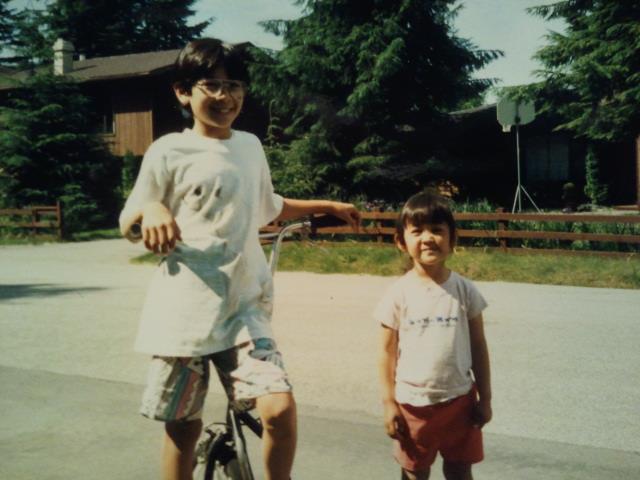
In the fifth grade, I suddenly realized that a girl the next subdivision down — whose teasing on the schoolbus I’d hated for years — was the love of my life. The little backyard kingdom had broken apart by then — we’d migrated from the woods and trees to the streets with our baseballs and bikes, the shrine to our lost comrade forgotten. The wild boys were growing up.
*
In 1989, when I was in the sixth grade, my dad took a job that took us away from Juneau. We packed our possessions, said goodbye to nearly decade-long friendships, and moved to Bethel, then a tiny town of 4500 in far Western Alaska’s Yukon-Kuskokwim river delta. If Juneau was an enclave for artists, the government seat, and a stop on the cruise ship lines, and a place for families, neighborhood gatherings, and children playing, Bethel was the frontier: a hub connecting hundreds of tiny villages dotting the waterways of one of North America’s largest river systems, it was a permanent home to few not indigenous to the land but the hardiest, the most enduring: those with the most wildness in them.
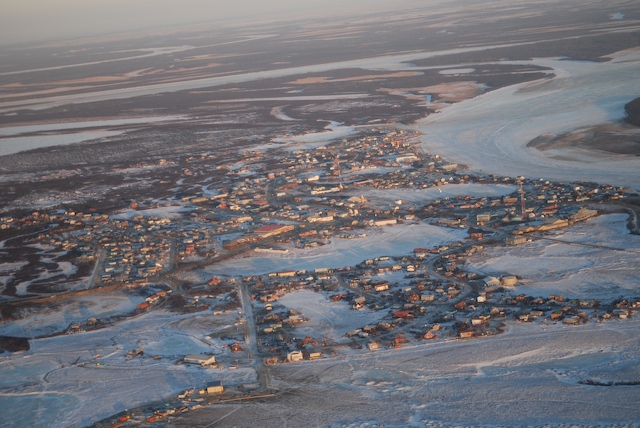
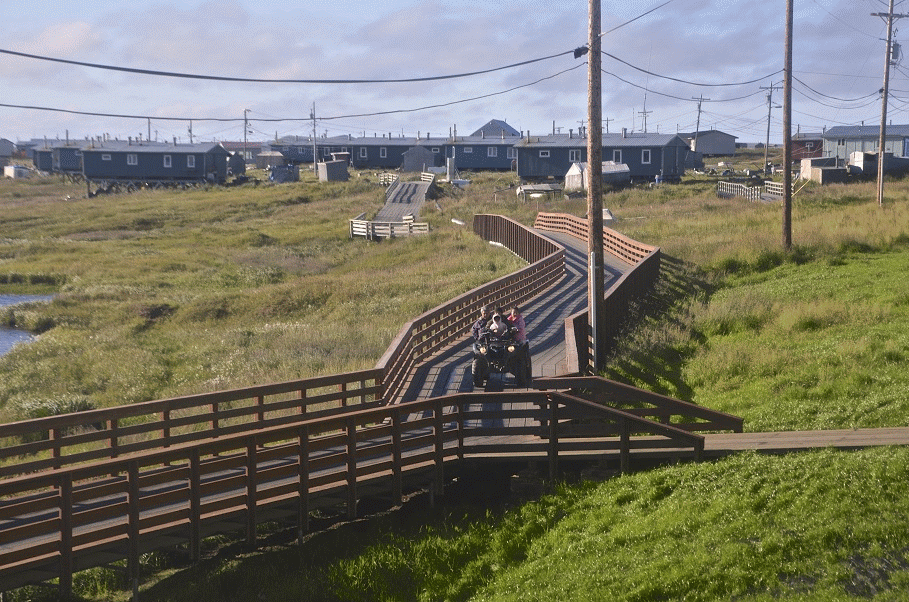
I would be lying if I said it wasn’t an easy transition, but we embraced the minimalism of bush lifestyle. Because the only way to get things in or out was by air or a long journey through the Gulf of Alaska, around the Aleutian chain, and up the Kuskokwim — an endeavor limited to the summer months when the rivers and coastline were free of ice — we left our vehicles in Juneau. We bought an ancient rust-bronze Dodge pickup that rarely ran and smelled of age and a Yamaha snowmobile. These were the only forms of motorized transit we needed to get around a town with only ten miles of road system and one paved road. My mom learned to sew trapper hats trimmed with otter pelt for my dad and I and colorful qaspeqs for my sister; my dad sometimes skied to work in winter, and when I missed the school bus, I’d take the uneven, weathered boardwalks that criss-crossed the tundra between neighborhoods. We bought an aluminum skiff and 100-yard drift net, and several times a summer would pull dozens of salmon from the river in one haul, sharing them with friends and neighbors. In winter, we’d join those same neighbors driving out onto the river — for the winter months a highway — to go ice-fishing.
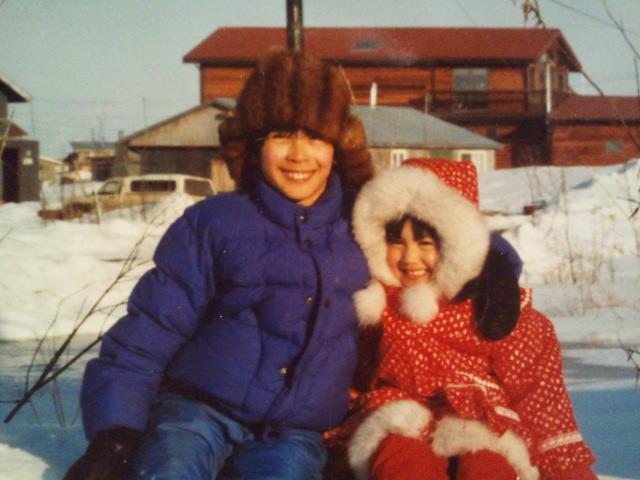
Village life could be precarious and sometimes harsh, balancing the needs of the native Yupik community and tradition with the demands of modern Western sensibilities. It was a land in the sometimes-painful throes of transition, and the scars of territorial expansion and colonialism were still fresh. Those of us whose families could not be traced back generations along the tributaries and mountains of the river delta were gussaks — a term derived from the Cossack missionaries and trappers of Alaska’s Russian past — and we might be treated with caution or embraced reluctantly upon first arrival. But the confluence of our various cultures and background also made for a rich sense of connection, and the isolation and harsh climate — wind chills in winter could reach -70 degrees Fahrenheit — also somehow united the community.
*
In the seventh grade, I met a kid who would become one of my best friends throughout my years in Bethel when his older sister dragged me out of a blizzard and into their house to warm up.
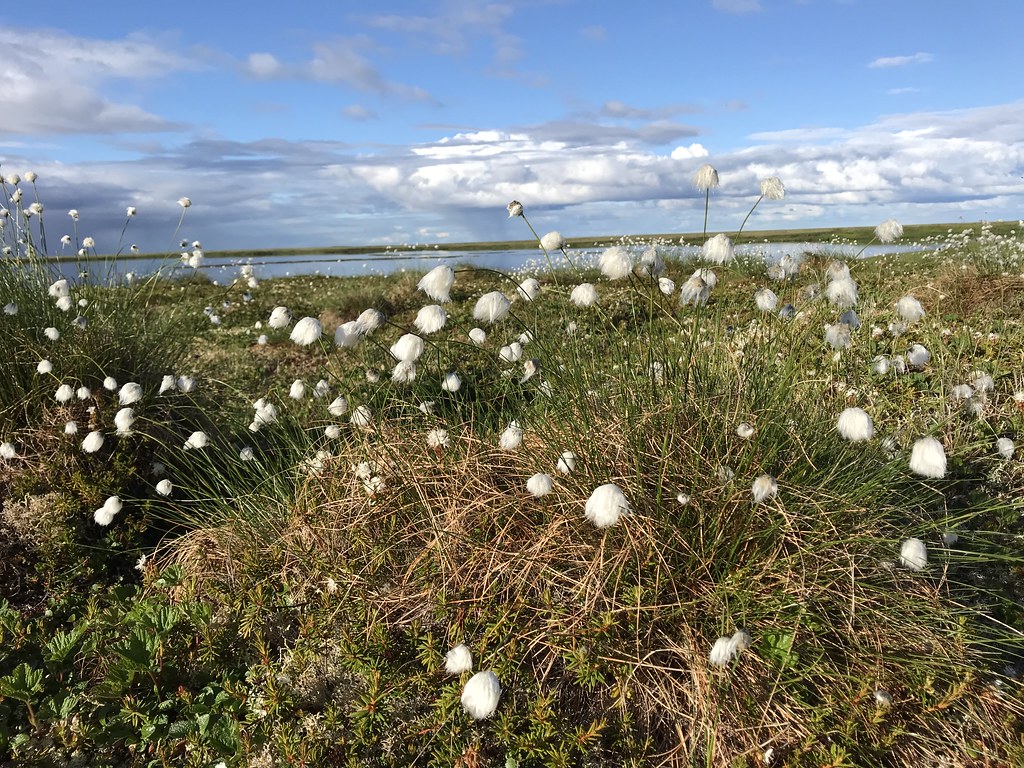
The western river deltas of Alaska are an endless flat expanse of wetland and tundra, dotted with myriad ponds, lakes, and serpentine river tributaries endlessly deviating from and merging with one another on their way to the Bering Sea. During winter, winds howl across the land, carving undulating drifts of snow across the tundra. Where the wind drives into the drifts, the snow is hardened into a thick crust several inches thick and nearly impenetrable; on the sheltered side, the snow is course and finely powdered, and an errant step can send you sinking hip-deep into it.
We were in the midst of a particularly nasty storm that week. One day, the roads filled with drifting snow, overwhelming the road crews, and the school buses couldn’t get into my subdivision, dropping us off instead maybe a quarter of a mile from my house. As I slogged through the drifts and into the wind, two kids I didn’t know trudged up to me. We’d reached their house, and I was coming in to wait out of the storm, said the older one. Inside, we had cocoa after I called home to let my parents know I was safe from the storm. The wind didn’t die down for hours; by the time I headed the rest of the way home, I’d had dinner and made fast friends.
As fellow recent arrivals to this little corner of Alaska — in their case, coming from the midwest — we navigated the trials of adolescent pecking orders in a new school and adaption to a strange new environment together. Our families dined together. As newcomers, we were all a community.
When my friend’s father died a year later, we all all felt the loss. There’s a bond that forms in small towns, whether it be through adversity — a harsh environment, an unfamiliar culture — or that common bond of wildness that brought us all to this place.
In the end, we were only in Bethel three short years. In the beginning, I’d been resentful — I hadn’t wanted to leave my friends and neighbors, the community I’d built over the course of my childhood. When my dad’s job took us to Fairbanks, Alaska’s second-largest town and a former mining outpost on the banks of Interior Alaska’s Chena River, I was excited for the new adventure, but I’d also surprised myself by being sad to leave this place I’d barely started to know.
*
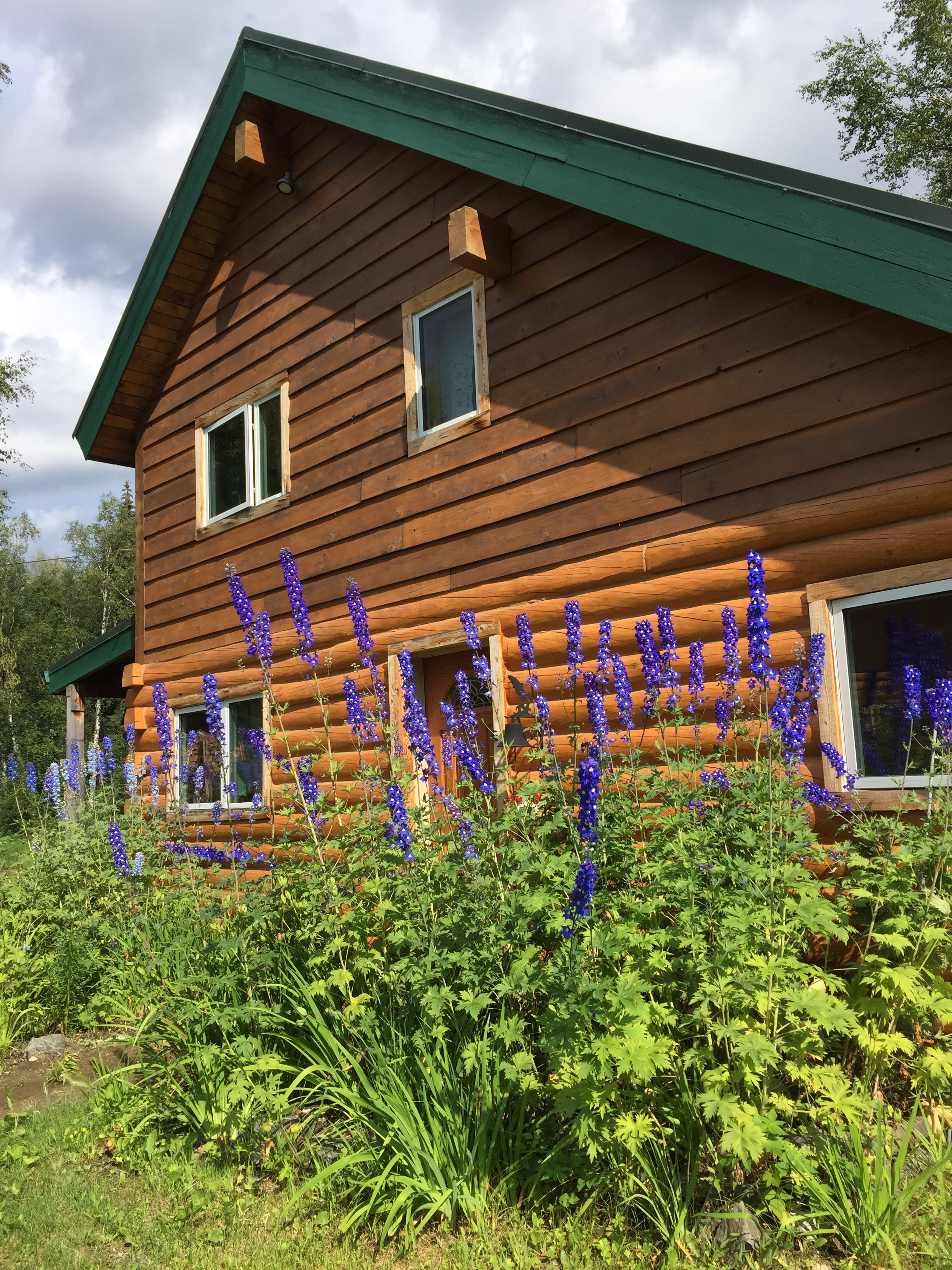
The most foundational years of my life are the years my family lived in Fairbanks. Fondly referred to by Fairbanksans as the Golden Heart of Alaska, Fairbanks is one of Alaska’s only urban hubs. Our family arrived in July of 1992, just months before I would start high school. Settling into a rustic log home on a handful of acres of boreal forest on the banks of the Little Chena River in the rural Two Rivers community, this would be home through high school and college for me. It’s where my little sister would go to elementary and middle school, high school and (on-and-off) college, where my mom would rediscover her passion for making art, and where my dad would build and eventually retire from his career.
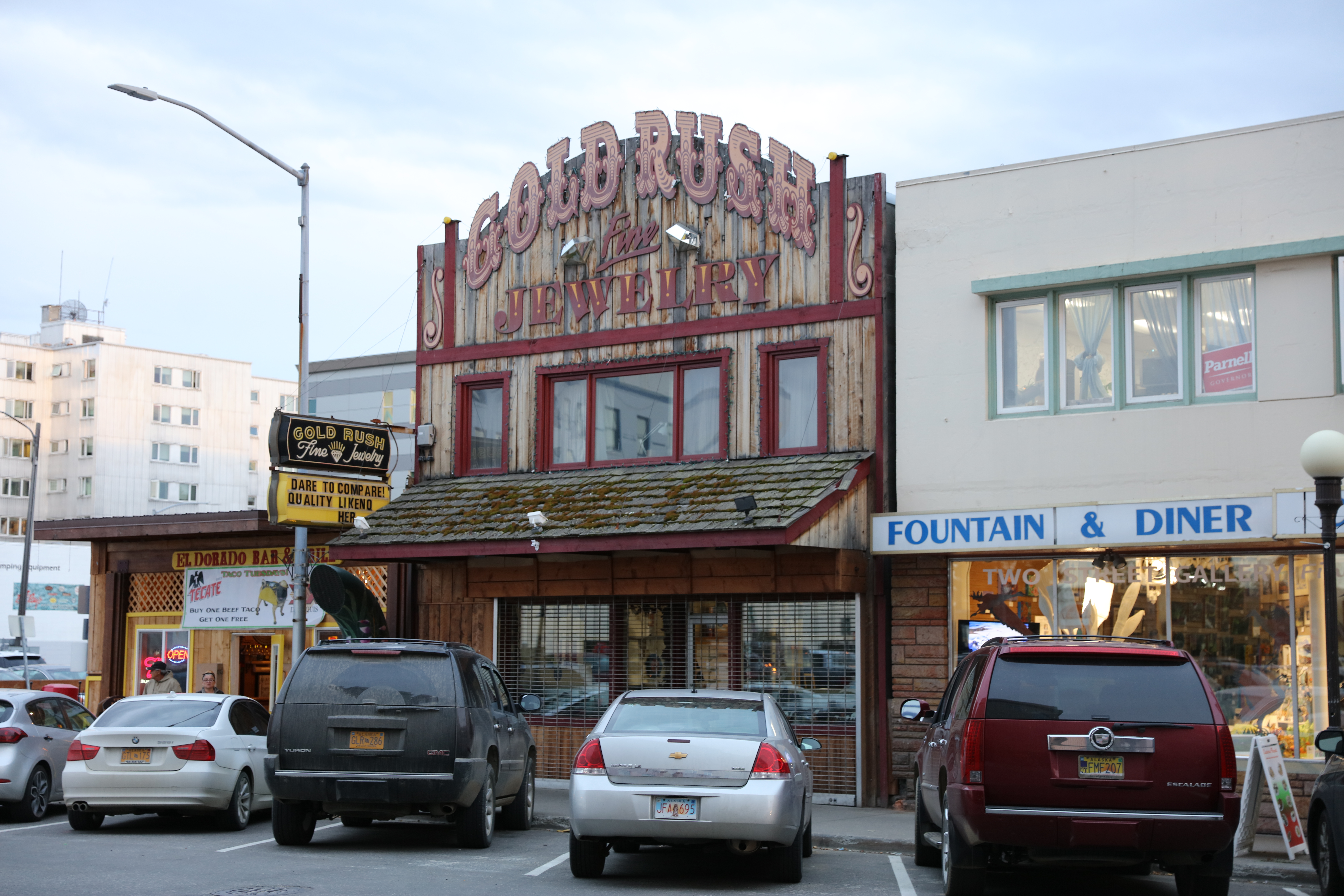
When I think about our time in Alaska, I can’t do so without acknowledging the featured role Alaska’s university system plays in the narrative — my family’s Alaskan roots and history are interlocked in the bedrock of it.
It was the University of Alaska Fairbanks that first moved our family to Bethel, where my dad — at the time a lawyer and tiring quickly of it — was hired to teach for the rural development program at the university’s Kuskokwim campus. It was an invitation to join — and eventually lead — the university’s criminal justice program that brought us to Fairbanks.
And it’s where I came into myself, an adult, and began creating my own root systems. It’s where I began learning who I was and who I was not. It’s where I learned to love the written word, the power of language and story, and made memories and friendships I value to this day.
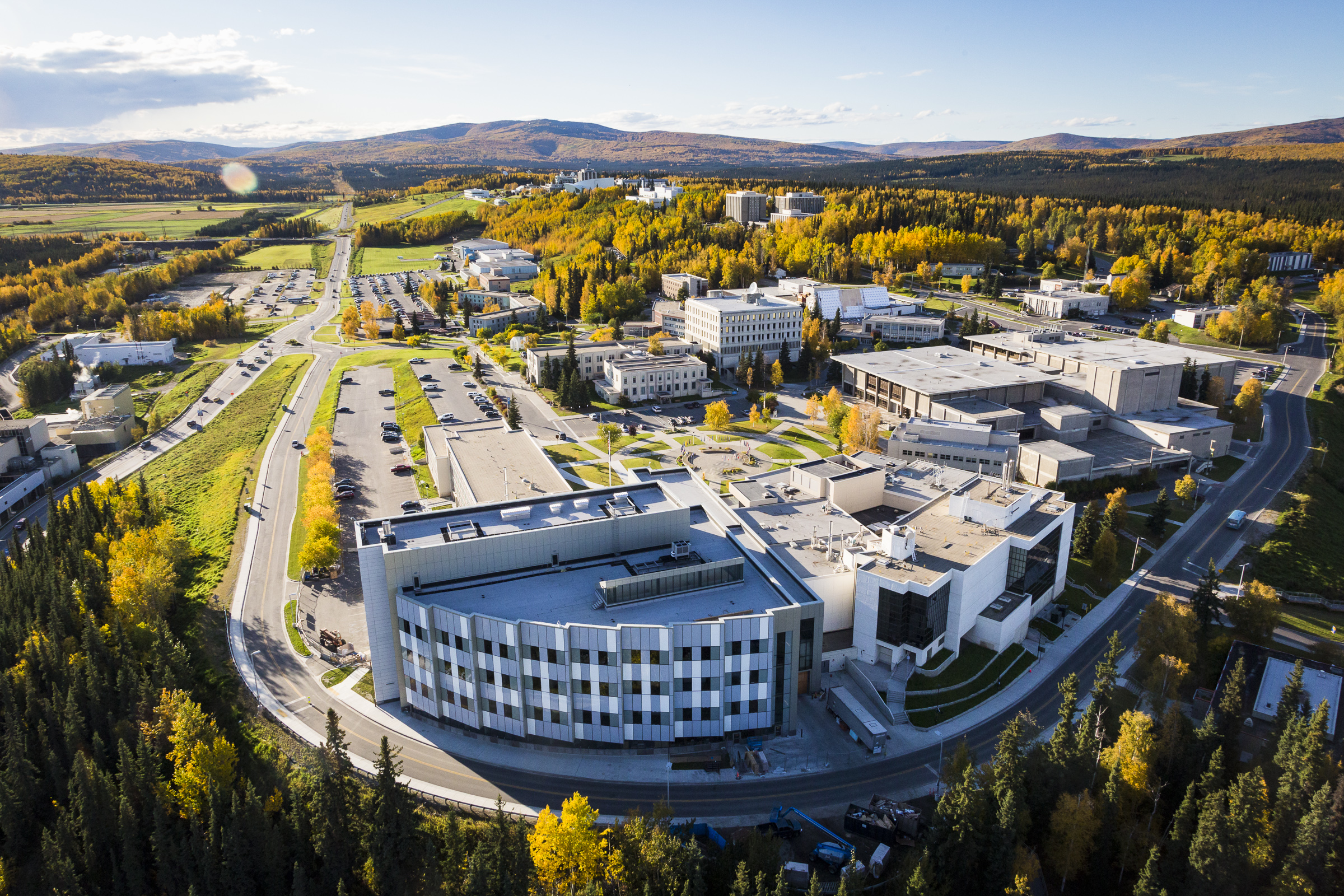
I spent a lot of time on that college campus through my high school years. Living some thirty miles from town, my dad and I made the forty-minute drive into town together each morning, he dropping me off at school on his way to work just up the hill. Every afternoon, I’d walk the half mile to campus, waiting for him to finish work so we could go home.
Looking back, I should probably have been a bit lonely — while my peers were hanging out doing whatever normal teenagers do after school, I was hanging out on campus.
I never was, though.
By the time high school came, I was that weird kid: sensitive and introverted and maybe gay, maybe not. I had social anxieties. I was conversationally awkward.
So after school, I was happy to retreat to that university on the hill. Most days I did my homework, then killed time chatting with my dad’s secretaries and student workers, until he was ready to leave.
Every Wednesday or Thursday night, though, my dad taught an evening seminar. I looked forward to those nights all week. The two of us would grab a burger and fries in the student union before he headed to class. Then I’d spend the next three hours wandering the corridors of classroom buildings, losing myself in the library collections, or falling asleep curled up in a chair somewhere in the student union. Even though I was just an observer, campus life fascinated me: I wondered what it would like to be a college student, all grown up and figured out and with my whole future lined up and spelled out in front of me.
The university really was an embedded part of not just my life, but my community’s. Because it was just up the hill, a lot of my high school classmates — and eventually my friends — were affiliated with it. Their parents took classes there, or taught there. Our teachers moonlighted as college instructors, had doctorates and ran research labs, or were in graduate programs themselves. My classmates took evening classes there, were involved with the university’s public arts programs. One semester, I was one of two students from my high school to spend a week doing research alongside graduate students at the university’s marine science facility in Seward — and spent a day helping take seabed sediment core samples at the mouth of a tidewater glacier and cataloguing seabird colonies on a remote island in Aialik Bay. The summer after my junior year, I attended a university-sponsored young writer’s workshop program.
*
In retrospect, it’s really not that surprising that after high school graduation, I stayed in Fairbanks for college. I’d won a few scholarships here and there around the country, but I couldn’t commit to any universities. Maybe it was indecision and staying local until I knew what I wanted to pursue made the most sense, or maybe that streak of Alaskan wild was too strong.
At any rate, staying was never a difficult decision.
I firmly believe our college years are about so much more than developing and refining career goals and skills — that’s why I work in university student engagement and have never left the university setting, some decades down the line, and why I have a doctorate not in an academic field, but in student development.
See, college was where I found myself, my people. When I attended it in the late nineties, the University of Alaska Fairbanks attracted two types of students, generally: those who, like me, were unready to leave Alaska for one reason or another, and those who were lured — like my parents decades earlier — by the romance and adventure of Alaska. This was where we were because this is where we fit. And this made it easy for us to find — or create — our communities.
Just as Fairbanks is a hub connecting all of Alaska, so too is its university. During my time there, I reconnected with friends from Bethel, kids who were in diapers when we first met in Juneau.
My university experience was a microcosm of my Alaskan experience: full of quirky people, interesting people, all filled with just a little bit of wild.
Fairbanks is where I fell in love in and with Alaska. It’s where the idea of home really solidified in my subconscious. I learned what love means in it’s myriad forms and complications.
I fell in lazy, carefree love with long summer days when the sunlight never receded; in giddy, golden love with the ephemeral, crisp autumns when brilliant, molten-hued aspen and birch towered against a delicate blue sky reverberating with the calls of migratory waterfowl; in a hopeful, bursting love with the tentative springs and their first hints of warmth and renewal; and in a peaceful, patient love with the long, dark winters and their bone-numbing cold and brittle days.
My university experience was in integral part of all that.
I discovered new elements of myself through a deep, long-simmering and slowly-realized love for a California transplant who could spend hours pontificating on flatulence or Samuel Pepys, on medieval slang or Tennyson or surfing; he was a wild one whose love of travel and new experiences excited and stimulated my imagination, and his attentions mystified a naive, provincial boy from the far north and challenged me to want — and love — more.
I fell in love with a girl with an Alaska-sized heart, whose passions were as diverse and wild as the state that had raised her, and with whom I explored, both within our state and far abroad, and first learned what it meant to find home within another person.
And finally, I fell in love with the people of my university; the beautiful-minded weirdos at winter writing retreats, the band of misfits and adventurous sorts who followed their poetic hearts and nonconformist spirits from the cities of the Lower 48 to become cabin-dwelling creative writers and outdoorswomen and men, anthropologists and climate scientists, bush pilots and naturalist philosophers.
I felt at home with these people. You could instinctively tell which of us were here to stay or were here for the adventure or experience, which were your kindred spirits in some unknowable way. It may have been intangible, but you could feel it — we were the wild ones.
*
I finally had the chance to take my partner to Alaska in November of 2015. He’s always had a little wild in him, too, so it was long past time for me to show him home.
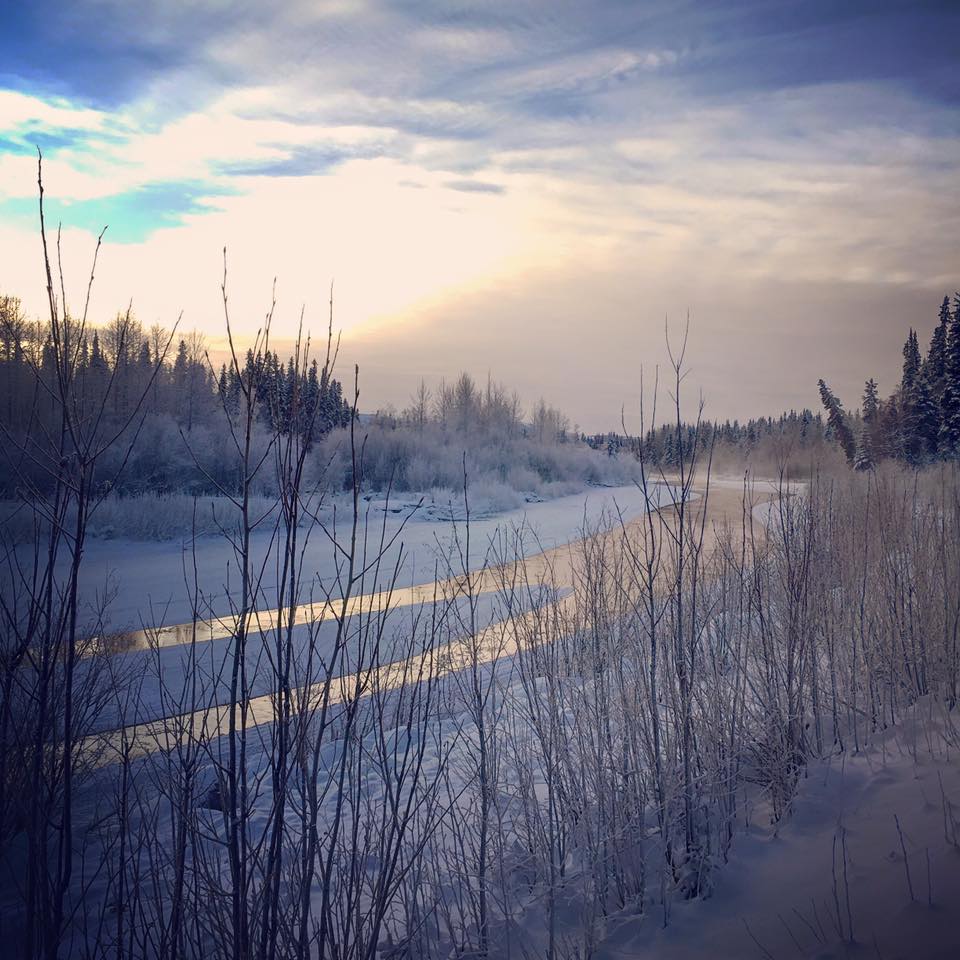
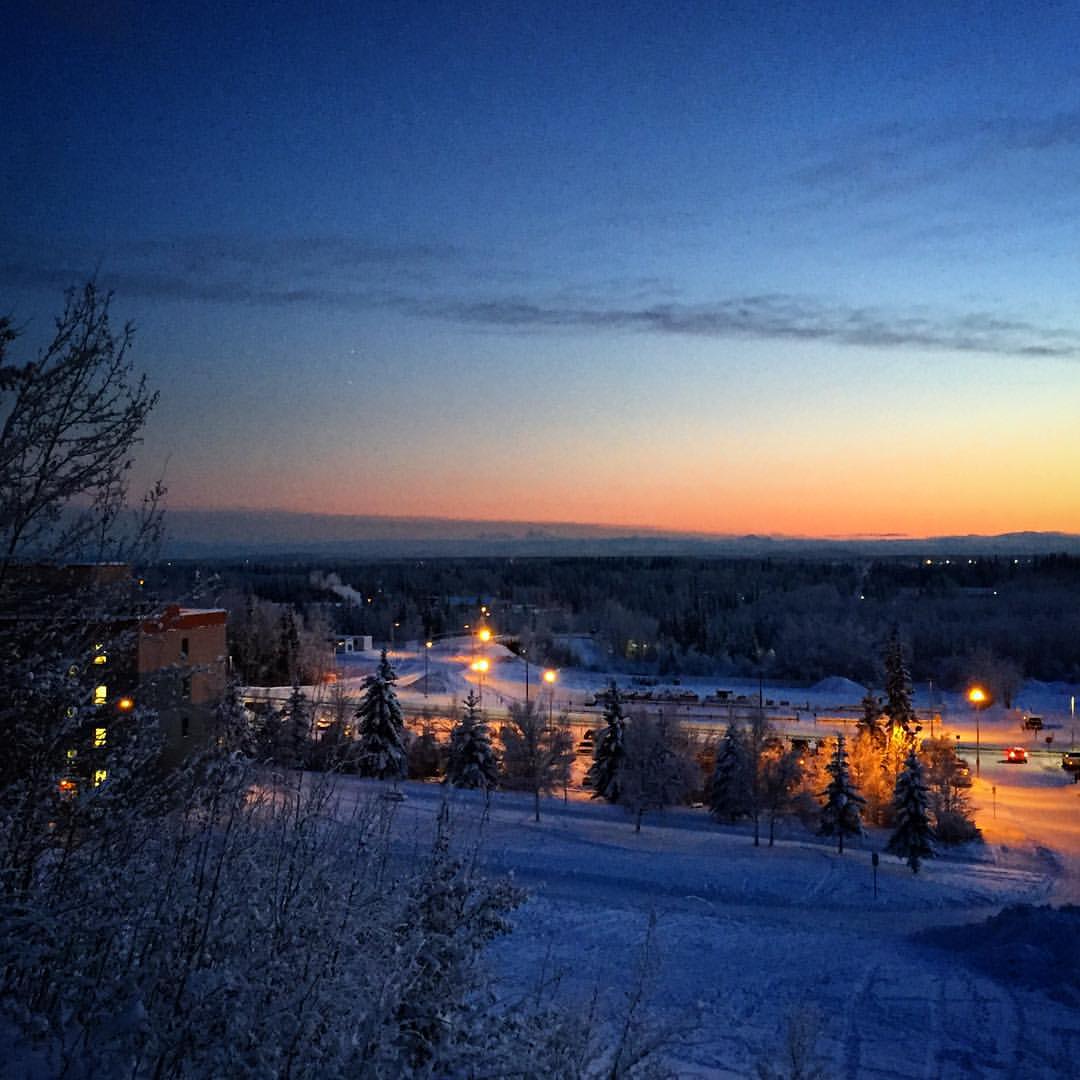
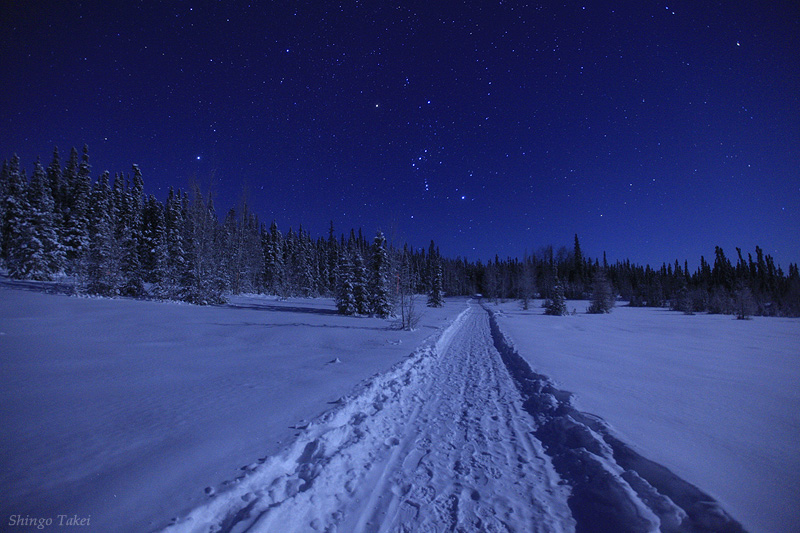
The magic of the place was still there for me, amplified by sharing the sense of wonder of someone experiencing it all for the first time. The glint of hoarfrost and ice along the Chena River glimmering in the fragile November sunlight; the heavy quiet of the boreal forest outside my parents’ Two Rivers home blanketed in snow; the enormity of the night sky, lit by a billion brilliant stars and the dancing aurora; the crackling, effusive and nourishing warmth of a woodburning stove fending off the permeating chill of the dark; the friendly coffeehouse chatter of old friends ducking in out of the cold — the intangible living memories were still there. The place is still home.
As far as I venture, and as long as I am away, I’ll always be Alaskan. As much as I’ve made home everywhere I’ve gone since — falling in love with the college town vibe of a bucolic corner of Eastern Washington, the desert grandeur and metropolitan bustle of Arizona — part of me is still there. A bit of its silty soil will always cling to my roots; its wild will still flow through my veins. And that’s the case for all of us who have lived and loved in this place, I imagine.
*
When we are young, I’m not sure we always consciously think about our journeys — where are are at, where we are going, why we are going to stay or go. When the time came to leave Alaska, it wasn’t a matter of wanting to leave, just as remaining through college when so many of my high school classmates left hadn’t been a conscious desire to stay. It was time for a new adventure, I suppose, but it was graduate school that made that decision for me.
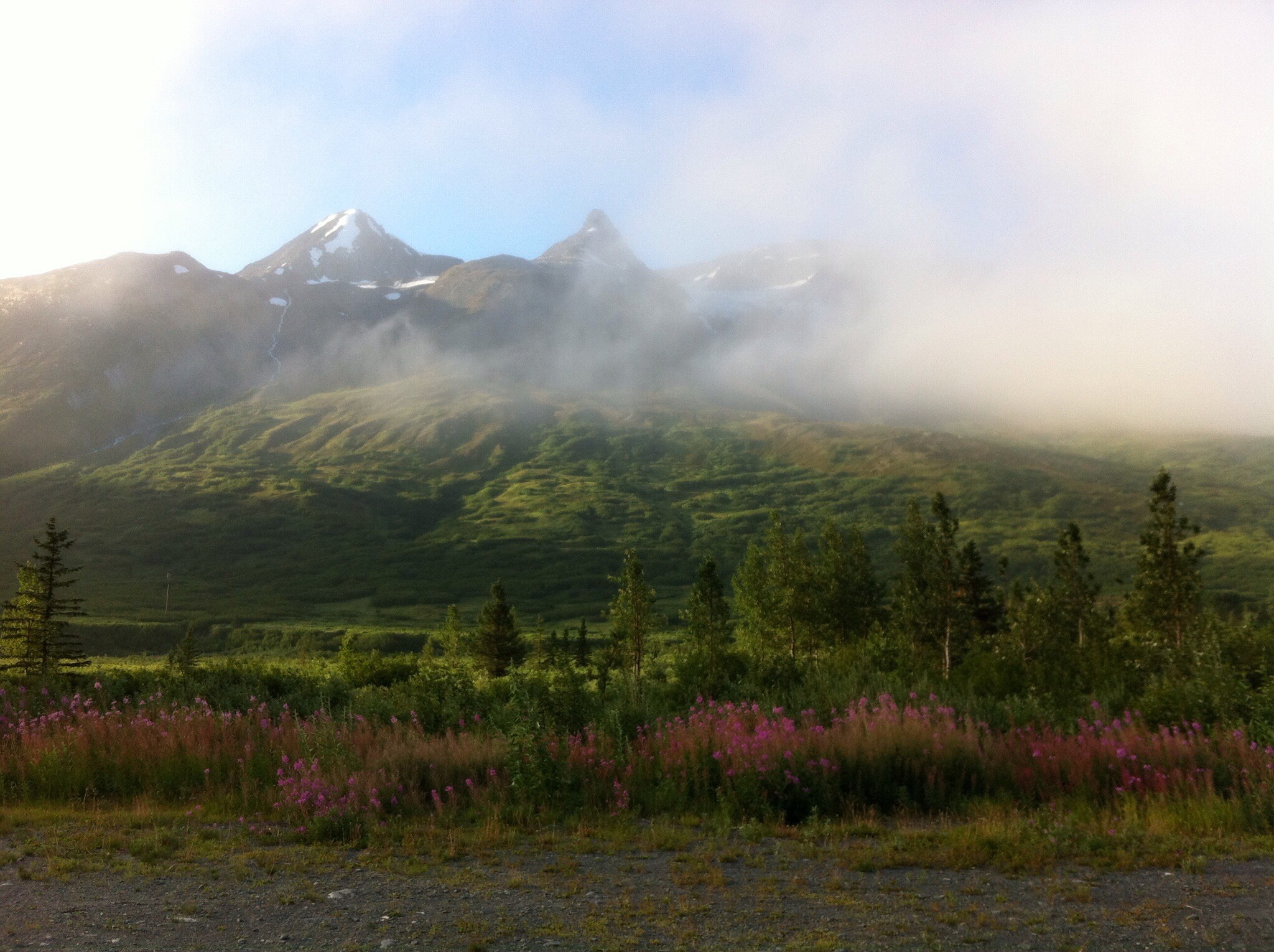
A summer snow was falling when I packed up my life and left Alaska one day in July eighteen years ago.
Summers are fairly dry in interior Alaska, but prone to frequent evening thunderstorms. Some years, a perpetual hazy smoke from forest fires drifts across the sky from June through August.
There was a fire burning outside town that summer, and fine white ash was drifting through Fairbanks as I emptied my little apartment just off campus, packed up my car and began my journey down the undulating, frost-heaved highways south. I graduated from college in 2001, and had a full stipend waiting in a master’s program in Washington in the fall.
As tends to happen during major life transitions, the spring had been a blur: graduation, a wedding, and — before our guests had all even left — it was time to leave Alaska. It wasn’t meant to be forever, but then, it wasn’t meant not to be, either.
We took our time leaving the state, overnighting with family at a lake outside Denali National Park that I’d once spent a week camping, canoeing, and hiking. It was a beautiful, isolated, pristine place; at one time in my past, it was where I wanted my ashes scattered once I’m done with this world.
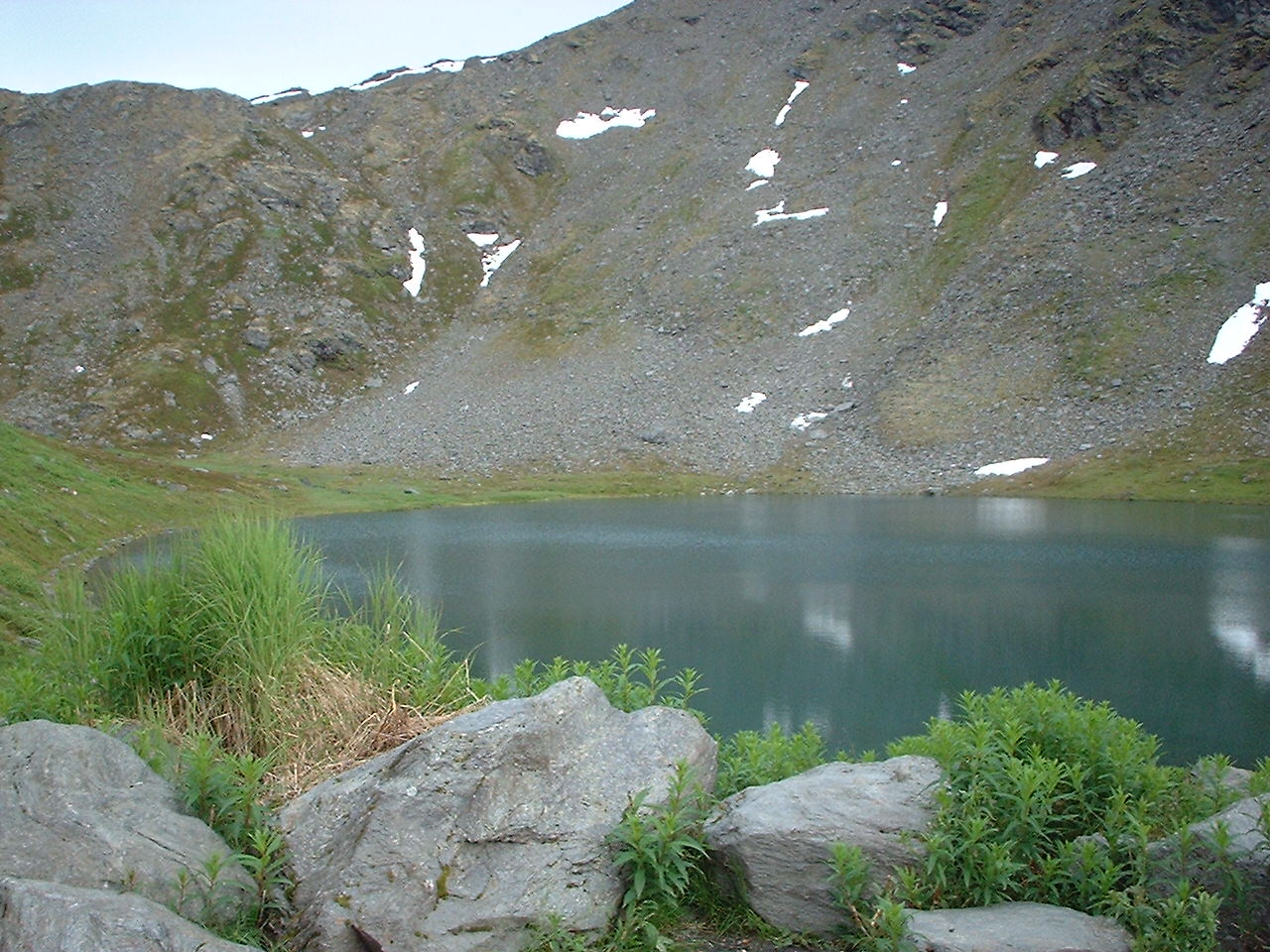
The next morning, we said our goodbyes to family, followed the Denali Highway west and the Parks Highway south, and camped in Hatcher Pass, in the Talkeetna Mountains of Southcentral Alaska. From there we headed north, then east, finding the Alaska-Canadian Highway at Glenallen and following it across the Canadian border.
When my parents make the occasional trip down the Alcan Highway to visit family in Seattle, the drive takes four to five days. On this trip, it was another eight days before we crossed back onto US soil. Maybe it was the wild in us, but we didn’t want to rush. If this was a farewell tour (at least for the time being), it was going to be done properly: we meandered, we hiked, we took the scenic route as often as we could over that 1500 mile journey.
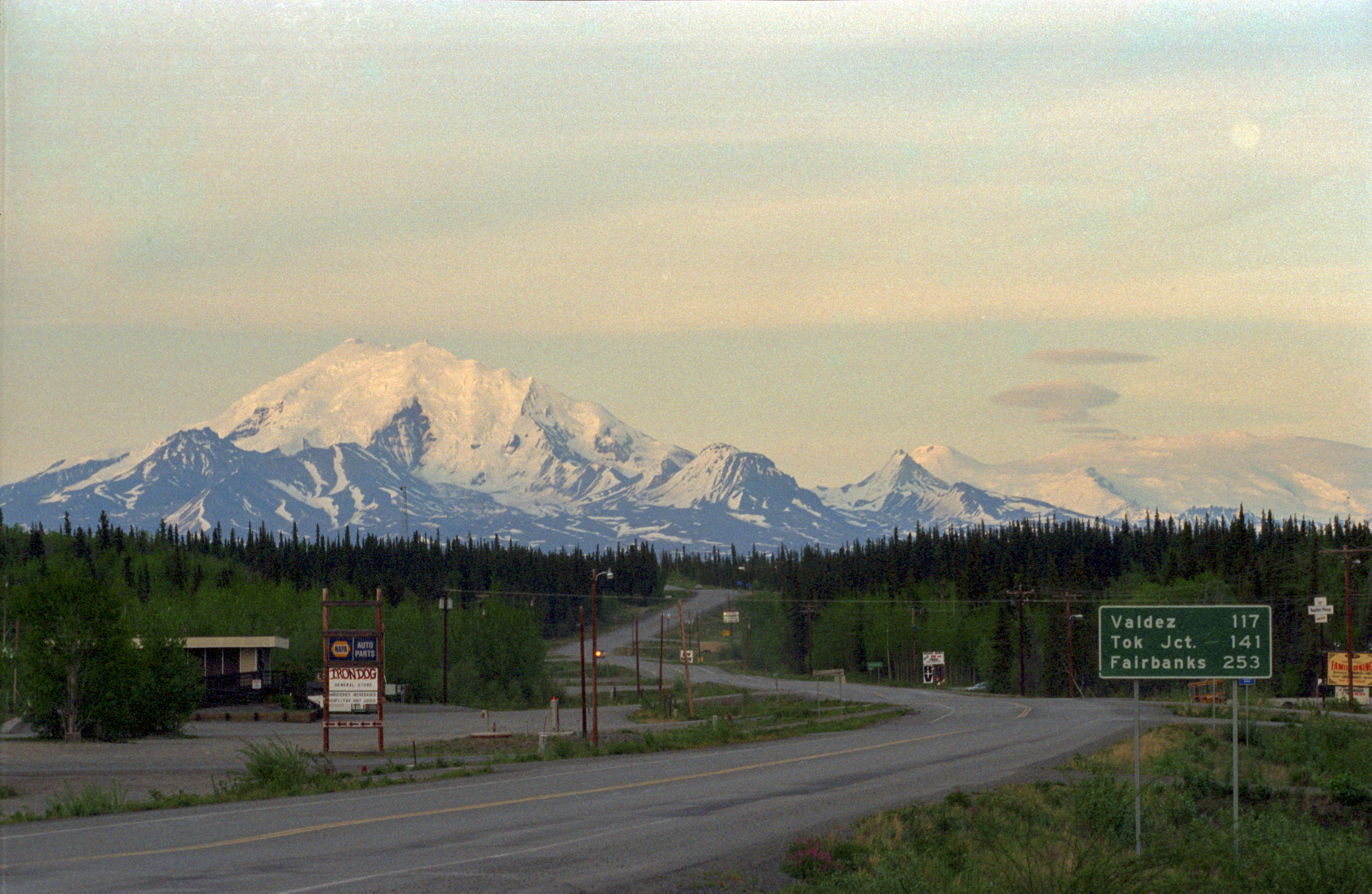
It was exciting, exhilarating. But it was also bittersweet, leaving everything that had come to be so familiar — even the acrid smoke and ash — in the rearview.
*
Alaska is alight again this summer, literally and figuratively.
Amid an economic downturn triggered in part by falling oil revenues the past few years, Alaska’s government is currently in disarray, the governor and a divided legislature locked in a power struggle over funding allocations. At stake is over $400 million in funding allocation to education, health care, and programming for the elderly and young — with $130 million — 41% of its current state funding — slated to be cut from the university system.
My social media feeds are aflame with the indignation, disbelief and shock of friends whose lives are in jeopardy of being uprooted. Many of them were my peers in high school, my classmates in college, and have stayed (or left and returned). Alaska — and our university — has leached into their roots, too. They’ve carved out lives and homes and families in the wilderness.
I don’t know what this legislative trouble means, long-term or in specific details, for my state. I have a deep and uncomfortable suspicion that it won’t be anything good. At the same time, I have to hope this current challenge will be defeated, that the good people I know will persist. I love my state — the memories, everything it represents in my life and how it has shaped me into who I am. I love the people who have been a part of the narrative. I hope they’ll persevere.
Actually, I know they will, because that’s what life in our state teaches us. We are raised as wild ones.

 Red Jeep Diaries
Leave a comment